Yemen Houthis Enter Iran War: Ballistic Missiles Strike Israel, Red Sea Chokepoint Under Threat
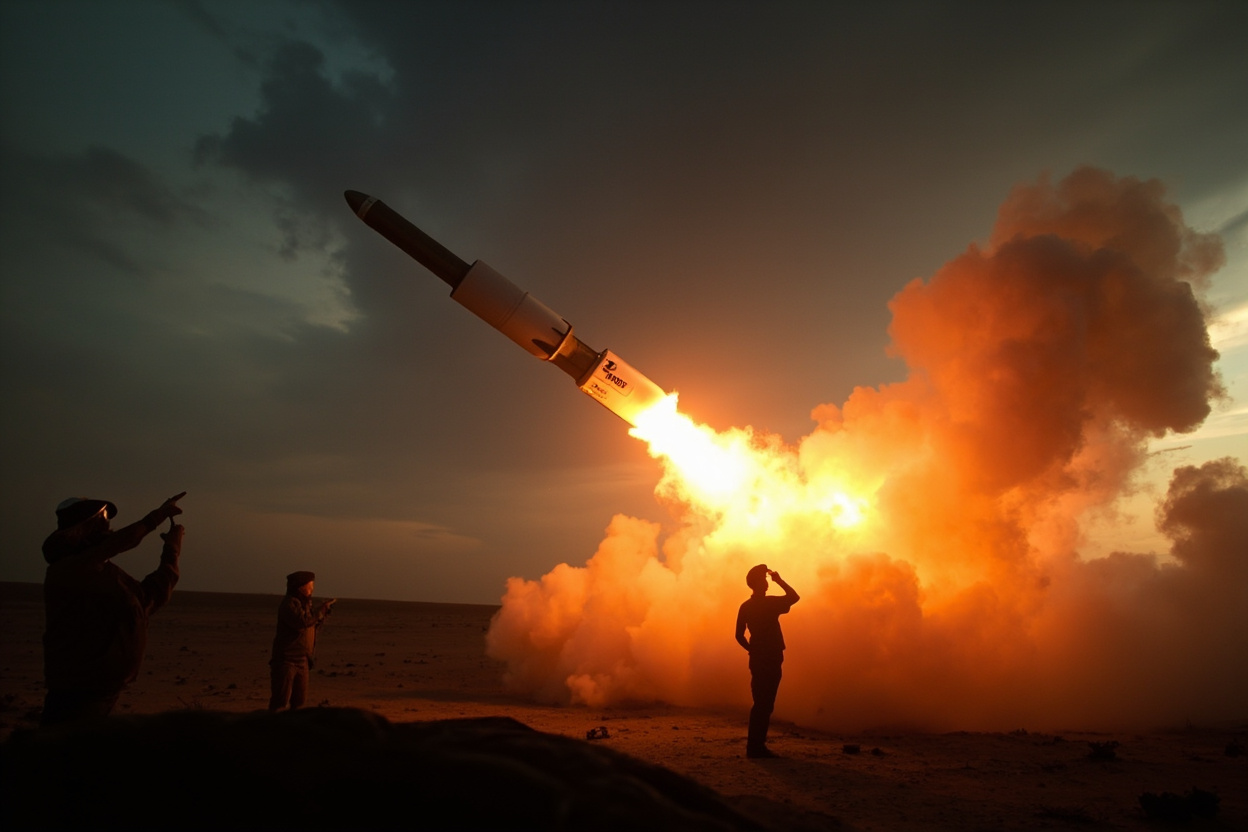
Yemen's Houthi movement officially entered the 2026 Iran war on March 28, launching ballistic missiles at southern Israel in what the group described as the opening phase of a multi-front "resistance" campaign. The strikes — the first confirmed ballistic missile launches from Yemen toward Israeli territory — represent a significant escalation of the broader regional conflict and have prompted immediate retaliation from the Israel Defense Forces against Houthi positions in Yemen.
The Houthis, a Tehran-backed rebel group that has controlled much of northern Yemen since 2015, announced their involvement through a televised address by Houthi supreme leader Abdulmalik al-Houthi, who declared that Yemen's entry into the war was a "religious and national duty" in response to what he called "American-Zionist aggression against our brothers in Iran and Lebanon." The group had been signaling intentions to join for weeks prior, conducting multiple test-firings of long-range missiles that Western intelligence agencies had tracked closely.
The military implications are severe. The Houthis possess a large arsenal of Iranian-supplied ballistic missiles, cruise missiles, and explosive unmanned aerial vehicles (UAVs), many of which have been successfully employed against Saudi and Emirati targets during Yemen's long civil war. Their most strategically dangerous capability is the ability to threaten shipping through the Bab-el-Mandeb Strait — the narrow chokepoint connecting the Red Sea to the Gulf of Aden, through which approximately 10% of global seaborne trade flows, including a significant portion of Europe's oil imports from the Middle East.
On March 30, a Houthi spokesman announced that the group had targeted the Israeli port city of Eilat with a cruise missile, and on April 2 announced the targeting of US naval vessels operating in the Red Sea. The IDF confirmed intercepting at least two missiles over the Red Sea region, while US Central Command confirmed that the destroyer USS Bulkeley had engaged multiple incoming projectiles in the southern Red Sea on April 3.
Israel responded with a wave of airstrikes on April 1, targeting Houthi radar installations, missile depots, and command facilities in and around the Houthi-controlled capital of Sana'a, as well as the port city of Hodeidah — a critical entry point for Iranian weapons shipments into Yemen. The Israeli Air Force described the operation as "Phase One" of a campaign to "degrade the Houthi missile threat," and warned that further strikes would follow if attacks continued.
Regional analysts are deeply concerned. "The Bab-el-Mandeb is arguably the most economically consequential chokepoint in this entire conflict," said Dr. Fatima al-Rashid, a senior fellow at the European Council on Foreign Relations specializing in Gulf security. "If the Houthis close it — or even significantly disrupt it — the global economic impact will dwarf what we've seen from the Hormuz closure." Approximately 3.5 million barrels of oil per day transit the strait, and insurance costs for Red Sea shipments have already spiked by more than 400% since the first Houthi strikes.
The United States has deployed additional naval assets to the Red Sea, including the aircraft carrier USS Harry S. Truman, which began conducting airstrikes against Houthi targets on March 30 in coordination with Israeli operations. A joint US-UK naval coalition has also been assembled to escort commercial shipping through the Red Sea, though the effectiveness of the coalition is untested against the Houthis' dispersed coastal missile sites.
The Houthi escalation complicates the fragile ceasefire negotiations between the United States and Iran, which are ongoing in Doha with Pakistani mediation. Western diplomats have publicly called on Iran to use its influence over the Houthis to halt Red Sea attacks as a goodwill gesture, but Iranian officials have rejected linking the two tracks, insisting that the Houthi decision was "independent and sovereign."
For millions of Yemenis already suffering from the world's worst humanitarian crisis — the result of nearly a decade of civil war and Saudi-led blockade — the Houthi entry into another regional conflict adds an extremely dangerous new dimension. International aid organizations have warned that any escalation of military operations in Yemen could collapse the remaining humanitarian infrastructure that has kept famine at bay.
The strategic calculus for all sides remains dangerously fluid. The Houthis have achieved their core objective of being recognized as a central actor in the regional conflict, extracting concessions and international attention they have long sought. But they have also invited the kind of devastating military response that their infrastructure may not survive intact. Whether the group can calibrate its attacks to avoid full-scale Israeli and American retaliation while maintaining credibility with Tehran's broader war coalition is the central question observers are watching most closely in the coming days.
To be configured
Related Coverage
Related Articles