Iraq Caught in Crossfire: US Bases Struck as Iranian Proxies Target American Facilities
Iraq has emerged as a critical secondary battlefield in the 2026 Iran-Israel war, with Iranian-backed militia groups launching a sustained campaign of missile and drone attacks against American military installations across the country. The escalation has placed Iraq's fragile federal government in an untenable position, caught between its US security partnership and powerful pro-Tehran paramilitary forces that are deeply embedded in the state's security apparatus.
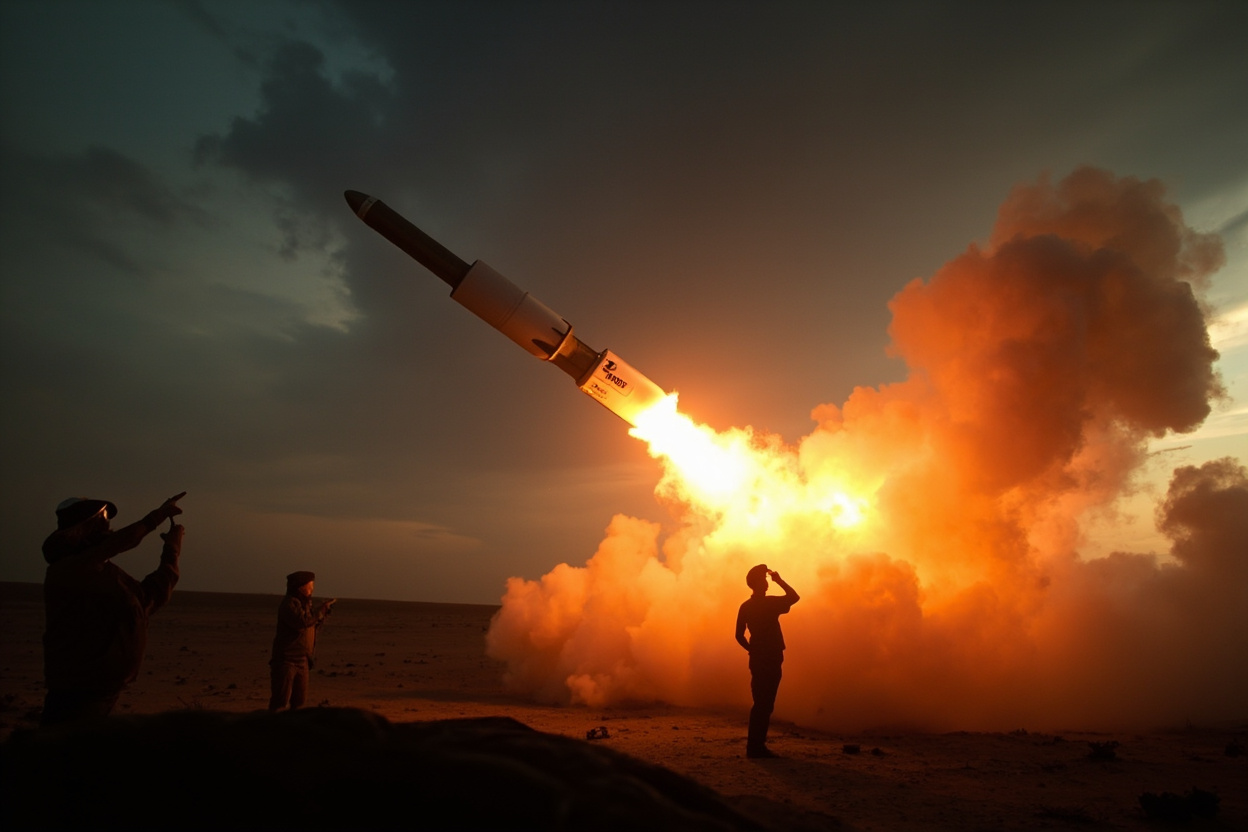
The most significant attacks began on March 15, when Kataib Hezbollah and other Iran-aligned Asaib Ahl al-Haq factions fired a barrage of ballistic missiles at Al-Asad Airbase in western Iraq, where approximately 2,500 US personnel are stationed. The attack, which used Iranian-supplied Fateh-110 short-range ballistic missiles, killed three American contractors and wounded 34 US service members. The Pentagon confirmed the casualties — the first US military deaths from hostile fire in Iraq since 2020 — and responded within 48 hours with precision strikes on militia command-and-control facilities near Baghdad.
Since then, the tempo of attacks has escalated sharply. On March 22, a second wave targeted US facilities at Erbil International Airport in the Kurdistan Region, where American special operations forces are co-located with Kurdish Peshmerga units. On March 28, a coordinated drone-and-missile attack struck the US Embassy compound in Baghdad's heavily fortified Green Zone, causing structural damage to the outer perimeter but no confirmed casualties among embassy staff. US Central Command has recorded more than 40 separate hostile incidents against American personnel or facilities in Iraq since March 1.
The Iraqi government, led by Prime Minister Mohammed Shia al-Sudani, has publicly condemned the attacks on US forces and called for an end to all armed groups operating outside state authority. But the government's capacity to act is severely constrained. The Iran-backed militias that make up the Popular Mobilization Forces (PMF) — a state-affiliated umbrella organization that includes Kataib Hezbollah, Asaib Ahl al-Haq, and a dozen other factions — answer ultimately to Tehran, not Baghdad. Several PMF commanders have publicly stated that attacking American forces is a "sacred duty" in response to the US-Israeli strikes on Iran.
Washington has demanded that the Sudani government take concrete action against the militia groups responsible for the attacks, including the revocation of their operational licenses and the disarmament of their heavy weapons. US Secretary of Defense Pete Hegseth warned during a phone call with al-Sudani on March 25 that "further attacks on American personnel will be met with decisive American force, with or without Iraqi government consent" — a statement that generated immediate fury among the PMF factions and their political representatives in Baghdad.
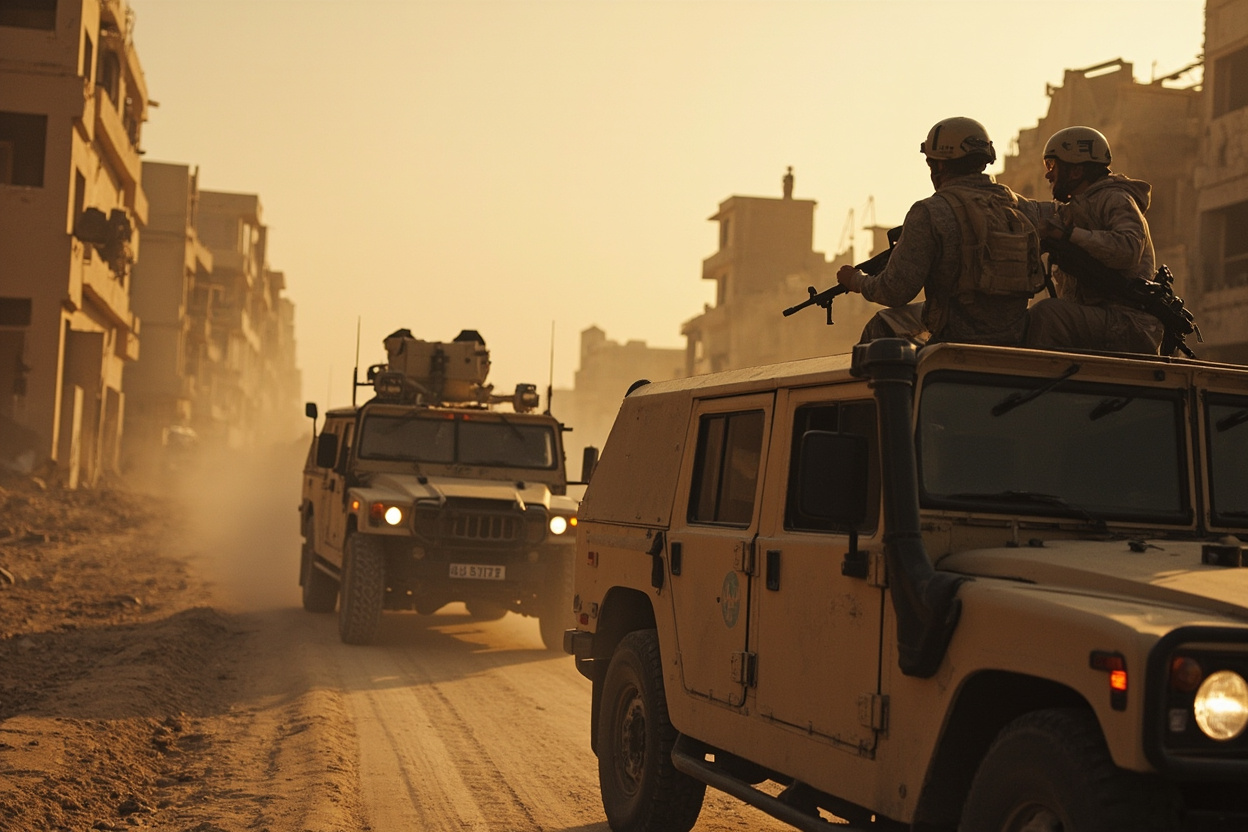
The strategic dilemma for Iraq is acute. The country hosts approximately 60% of the remaining US military presence in the broader Middle East — roughly 3,500 American troops across multiple bases — and depends on the US for critical intelligence sharing, air defense support, and economic stability. Yet any move against the Iran-backed militias risks triggering a confrontation that could fracture Iraq's already fragile political consensus and ignite a new cycle of sectarian violence.
Regional observers note that Iraq's predicament illustrates the broader paradox of the post-2003 political order that the United States built. "The very forces that America funded, trained, and empowered to fight ISIS have become the primary threat to American personnel in Iraq," said Dr. Renad Mansour, a senior fellow at Chatham House's Middle East programme. "Iran understood this contradiction before Washington did, and has been exploiting it systematically."
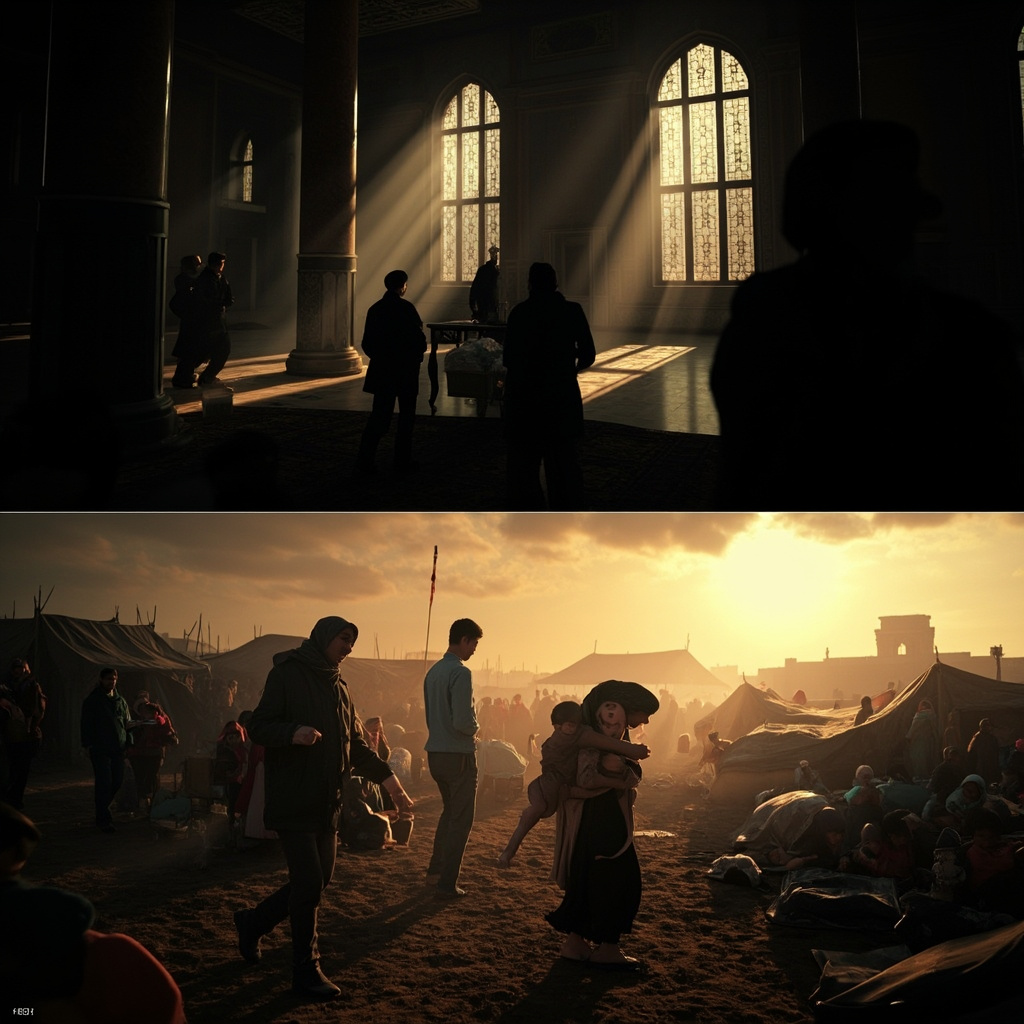
For ordinary Iraqs, the renewed violence is a nightmare revisit. Streets in Baghdad that had returned to something approaching normalcy have seen the reappearance of militia checkpoints, and several international NGOs have withdrawn staff from the capital following security advisories. The Iraqi dinar has weakened against the dollar on unofficial markets, and economists are warning that a sustained escalation could undo the modest economic recovery Iraq has achieved over the past two years.
The United States has accelerated the deployment of additional air defense systems to Iraq, including Patriot missile batteries, and has moved a THAAD battery to the region. But military analysts say that no amount of defensive hardware can fully protect against the voluminous and diverse missile arsenal that Iran has transferred to its Iraqi proxies over the past decade — a transfer that accelerated significantly after the 2020 US killing of Iranian General Qasem Soleimani and Iraqi PMF leader Abu Mahdi al-Muhandis.
To be configured
Related Coverage
Related Articles